
Get stories and expert advice on all things related to college and parenting.
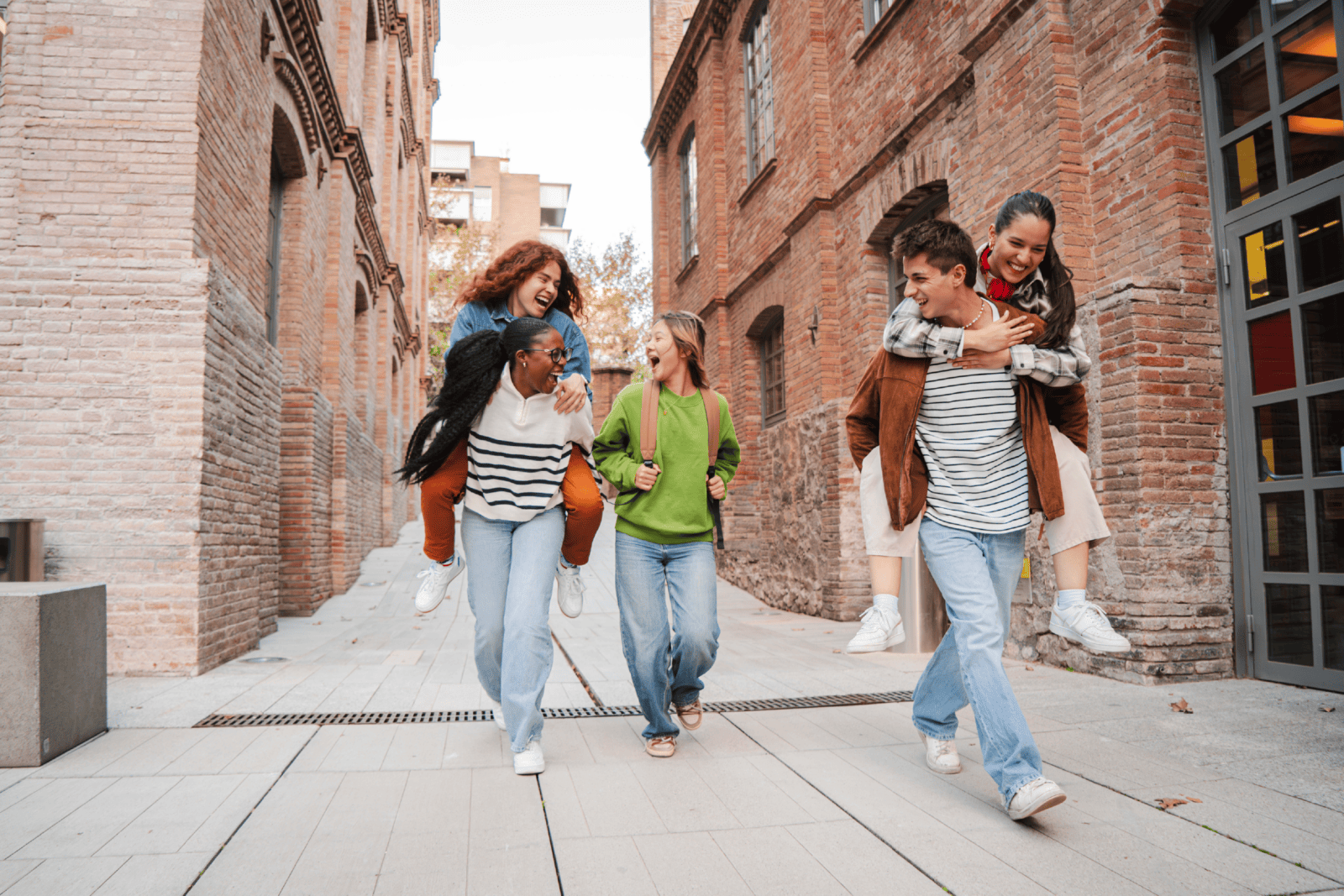
College brings new friendships, freedom and opportunities— and more decisions to make independently. Campus safety is not about expecting the worst, but developing practical habits that reduce risk and increase confidence.
Add campus police, emergency contacts and escort services to your phone. Download the university safety app and activate emergency alerts.
Locate security offices, blue-light phones and emergency exits. Know how the university communicates in an emergency and when to call campus police or 911.
Walk confidently through well-lit, populated areas. Keep headphone volume low and avoid becoming absorbed in your phone. If a situation feels wrong, trust your instincts, leave and seek help.
Lock your residence hall room, apartment or car whenever you leave, even briefly. Never prop open secured building doors, and use a quality lock for your bicycle.
Do not leave laptops, phones, wallets or backpacks unattended in libraries and coffee shops. Consider renters insurance for valuable electronics.
Walk with friends after dark or use a campus escort service. Tell someone where you are going, and share your location when appropriate.
When attending a party or social event, make a plan with friends beforehand. Look out for one another, arrange safe transportation and make sure everyone gets home..
Never leave a drink unattended or accept an open drink from someone you do not trust. Know your limits, communicate your boundaries clearly and respect the boundaries of others.
Use unique passwords and multi-factor authentication. Be cautious of messages requesting passwords, financial details or account verification. Avoid publicly sharing your location, class schedule or residence hall information.
Report suspicious behavior or safety concerns. In an emergency, preparation can reduce panic and help students respond quickly. It is better to raise a concern than ignore something that could place someone at risk. Safety is a shared responsibility. The strongest campus communities are not simply those with the most resources; they are places where students remain prepared and look out for themselves and one another.